
Introduction
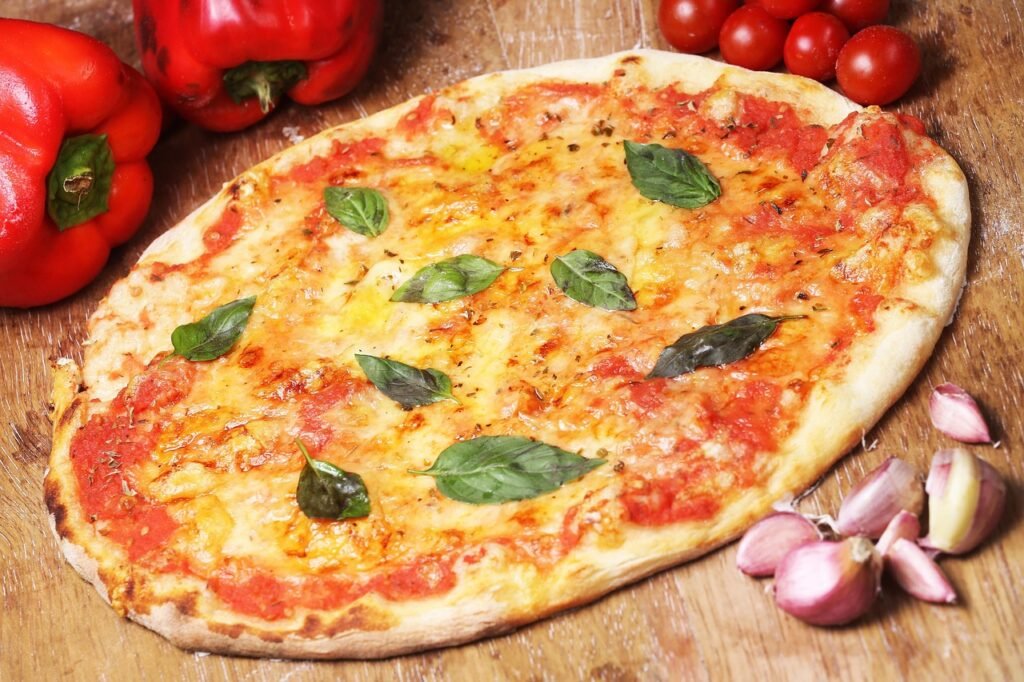
A conventional Italian pizza usually contains a crispy crust, tomato sauce, and mozzarella cheese. There are many Italian dishes. The pizza is not the same as the popular Middle Eastern Marmara. Lebanese pizza resembles Italian pizza in flavour.
Lebanese pizza typically features a blend of meat, cheese, olive oil, za’atar, and other herbs and spices, often including mint. Usually, pizza from the West is somewhat thick. It is prominent in Lebanese culture, is thin, and has a wonderful scent. During these years, this recipe has ended, and developed into the modern lifestyle while remaining loyal to its origin.
This blog article will cover the future of history, recipes, health benefits, modern variations, frequently asked questions, and even the future of Lebanese pizza in the Pakistani industry. By the end, you’ll see why manakish is more than just food—it’s a cultural symbol.
History and Origins of Lebanese Pizza
Mandatory history goes back thousands of years. The Old Levantine Society prepared simple flat breads on warm stones or in soil ovens, topping them with herbs and oils available in their region. The word “manakish” comes from the Arabic word “Kriya”, meaning “map”, which refers to “to engrave” or “to spread.” This has to do with how the filling is placed on or pressed into the dough before it is cooked.
Families in Lebanon typically prepare dough in the morning and bake it regularly in the oven. Mixing za’atar with olive oil in the form of a topping was widespread because it was rich in cheap and healthy ingredients. Manakish was usually offered during breakfast with tea, olives, and fresh vegetables.
All ages can enjoy it for lunch or dinner due to the variety of options, which include cheese, meat, and vegetables. Many people enjoy Lebanese pizza, and they come from all over the world. It is beneficial to experience diverse cultures across the globe and establish a modern heritage while maintaining rural attractions.

Key Ingredients of Lebanese Pizza
Dough
The dough is the base of Lebanese pizza; it is soft, fluffy, and slightly chewy. It is typically made with:
- 3 cups all-purpose flour
- 1 cup warm water
- 1 tablespoon yeast
- 1 teaspoon sugar
- 1 teaspoon salt
- 3 tablespoons olive oil
Traditional Toppings
- Za’atar – mixture – a mixture of thyme, sesame seeds, and olive oil.
- Paneer – Akkawi (a Lebanese white paneer), feta, or mozzarella.
- Meat – meat dough made from beef or lamb mixed with onions and spices.
- Vegetables – tomatoes, onions, olives, and bell chilli.
Step-by-Step Recipe
Step 1: Prepare the dough
- In warm water, dissolve the yeast and sugar first. Let it sit for ten minutes.
- Add flour, olive oil, and salt to a mixing bowl.
- Add yeast mixture and knead until even.
- Let the dough grow for an hour when covered with a towel.
Step 2: Preparing the Toppings
- Mix za’atar and olive oil until a spreadable mixture is formed.
- The cheese can be chopped or torn into pieces.
- Prepare minced meat or seasoned vegetables.
Step 3: Shaping and Baking
- Set the oven’s temperature to 220°C (430°F).
- Make the dough into a round or oval and divide it into equal parts.
- Distribute equally desired ornaments.
- Turn the crust golden brown, about 10-15 minutes.
Baking Temperature & Time Table
|
Type of Manakish |
Temperature |
Baking Time |
|
Za’atar Manakish |
220°C |
10–12 mins |
|
Cheese Manakish |
220°C |
12–15 mins |
|
Meat Manakish |
220°C |
15–18 mins |
|
Vegetable Manakish |
220°C |
12–15 mins |
Nutritional Value of Lebanese Pizza
|
Ingredient (per slice avg.) |
Calories |
Carbs |
Protein |
Fat |
|
Za’atar Manakish |
~220 |
28g |
5g |
9g |
|
Cheese Manakish |
~260 |
27g |
10g |
12g |
|
Meat Manakish |
~290 |
25g |
14g |
15g |
|
Vegetable Manakish |
~240 |
30g |
6g |
8g |
Tip: Choosing za’atar or vegetable spread makes Manakish light and healthy, while cheese and meat versions are more fun.
Popular Variations of Lebanese Pizza
- Za’atar Manakish – Classic and Healthy Edition.
- Cheese Manakish – made with a mixture of Akkawi, Mozzarella, or paneer.
- Meat Manakish is a spiced, onion-and-spice-painted beef or lamb.
- Vegetable Manakish – Fresh vegetables such as onions, chilli, and olives.
- Lahm Bi Ajeen -Pija is a type of Lebanese flatbread topped with meat.
- Spicy Manakish – top with a paste of chilli and pepper.
- Modern Fusions – BBQ za’atar, pesto cheese Manakish, or even Manakish calzones.
Cultural Importance of Lebanese Pizza
In Lebanon, Manakish is more than food – this is a social experience. Families often gather to share freshly baked flat bread. Bakers (known as ferns) serve them warm in the morning, as long queues form for people.
In villages, standard ovens still exist and keep the tradition alive. In cities, Standardish is a symbol of comfort and apathy, a two-street food has become. For Lebanese people abroad, food is a way to stay connected to their roots.
Lebanese pizza health benefits
- Za’atar improves cognitive function, strengthens the immune system, and provides antioxidants.
- Enhance your cardiovascular health by integrating beneficial fats, such as those included in olive oil.
- Cheese’s protein and calcium levels are essential for maintaining bone health
- Vegetables include a diverse array of vitamins, minerals, and dietary fibre.
A balanced and nutritious alternative to heavy fast food, Lebanese pizza is best served with a vegetable or zapper on top.
Serving Suggestions
- A pair of olives, cucumbers, and tomatoes.
- Serve with a coin or Arabic coffee.
- Cut into small pieces and serve as party snacks or starters.
- Mix with Hummus or Baba Ghanoush for a full slab in the Middle East.

Lebanese Pizza in Modern Times & Future Trends
Today, Standardish has moved from local bakers to global restaurants. Mediterranean, Middle Eastern, and even Mediterranean restaurants offer Lebanese pizza in various locations throughout the world.
Future trends:
- The increase in vegetarian standards with plant-based cheese.
- Gluten-free flatbed for health-conscious eaters.
- Creative fusion peaking, such as za’atar chicken, seafood, or fool cheese.
- There has been an increase in frozen and clear-to-boil manakish in supermarkets.
Questions and Answers
How does Lebanese pizza vary from Italian pizza?
Traditional Italian pizza requires tomato sauce, but manakish, a kind of Lebanese pizza, does not. The meal is enhanced with za’atar, olive oil, and cheese on flatbread, imparting a vibrant and herbaceous quality.
Does Manakish solely serve as a breakfast meal?
Breakfast is traditionally the time of day when Manakish is consumed in Lebanon. Today, however, it may be had at any time of the day, whether it is for lunch, supper, or even as a fast snack.
Can I cook a Manakish without an oven?
Genuine! If an oven is unavailable, you may still create the conventional meal using a pan or skillet. This approach resembles road-style baked goods, noted for their rustic and crispy attributes.
Is Manaish in good health?
In addition to being inherently healthful and vegan, Za’atar Manakish is loaded with organic herbs and olive oil. Cheese and meat variants are healthful; however, they have a higher calorie and fat content than the other kinds.
What kind of cheese is recommended for Manakish?
Manakish is traditionally made using Akkawi cheese. On the other hand, if you are unable to locate it, you may replace it with mozzarella, feta, or a combination of both.

Conclusion
Lebanese pizza, a traditional type, is one of the most popular foods; It is a mixture of comfort, culture, and tradition. The weak start in Lebanese villages led to its versatility, health benefits, and endless flavors, which eventually led to popularity worldwide.
Unlike any other pizza in the Standard Universe, it offers a distinct taste experience, whether you prefer it with Za’atar for breakfast, meat for lunch, or meat for dinner. One thing is sure: Lebanese food continues to be recognized worldwide. Lebanese pizza has a promising future.
So the next time you want pizza, why not try it in a worker? Simple, healthy, and tasty cuisine with a touch of heart and soul can be found in Standardish Lebanon.