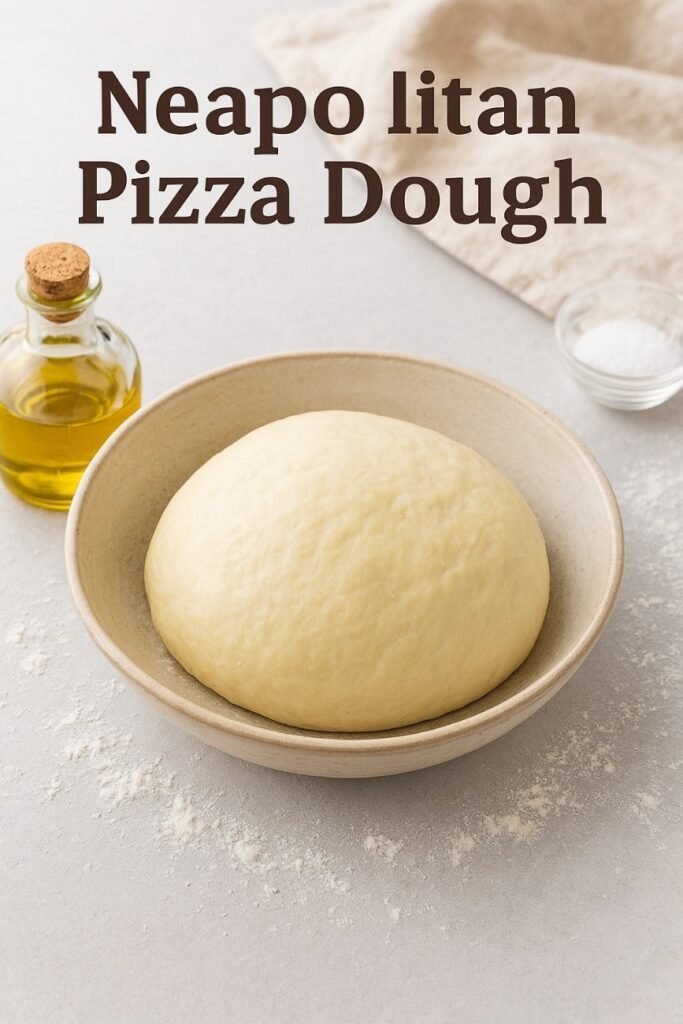
Introduction
If you’ve ever dreamed of baking pizza just like people in Naples, Napolitan Pizza is the first step to mastering the recipe. An authentic taste of Italy is captured by the Neapolitan Pizza Dough Recipe, with its famed thin, soft center and airy crust. With only four simple ingredients – flour, water, yeast, and salt – you can create a base that competes with any traditional pizzeria.
The magic lies in slow fermentation, high heat, and proper tensile techniques. Whether you use a three-layer oven or pizza stones at home, this recipe will help you achieve the right, sharp crust and a truly authentic Italian pizza experience.
What is the Neapolitan Pizza Dough Recipe?
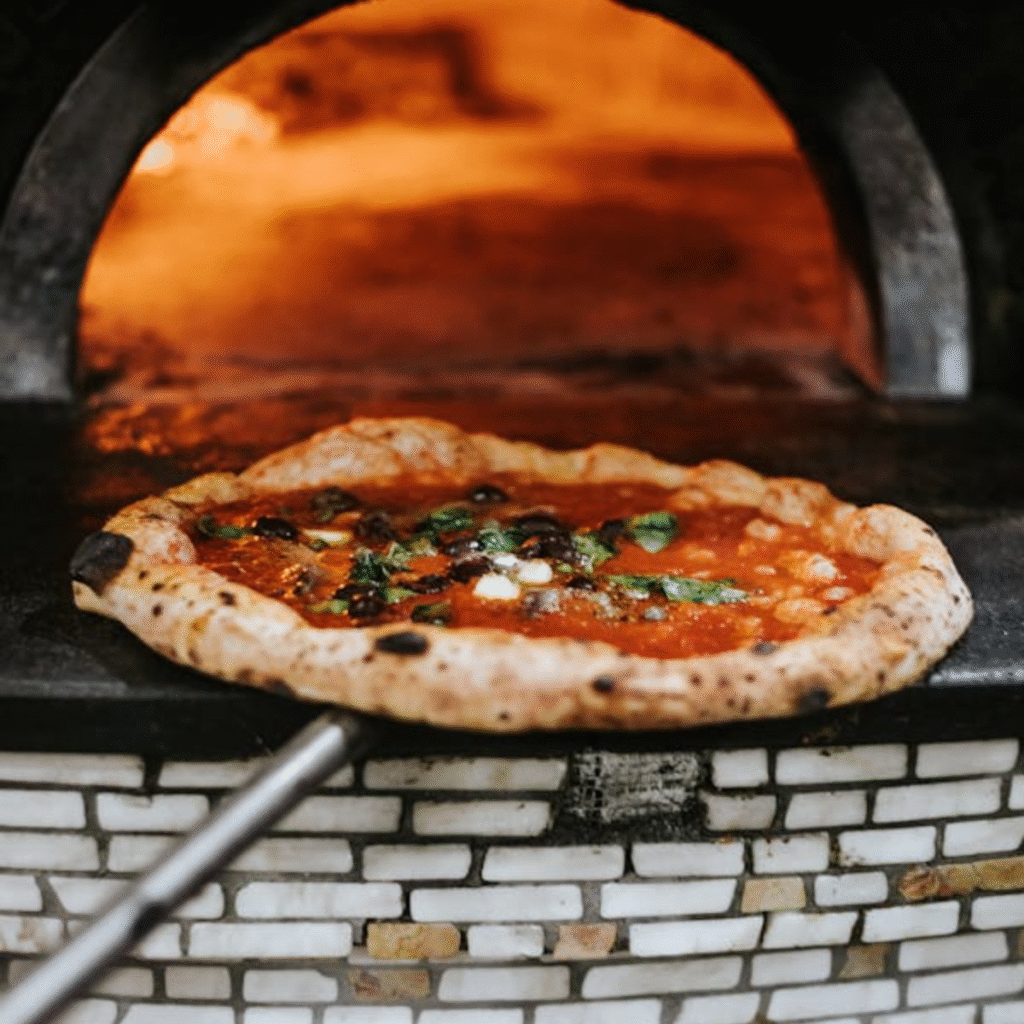
The Neapolitan Pizza dough Recipe is an authentic Italian-style dish, which differs from regular pizza. Unlike American or thick-crust pizza, this recipe uses flour, water, yeast, and salt, without the addition of oil or sugar. The result is a slim center and a quarrel with a mild, chewy, and airy crust, featuring a weak edge, making it a quintessential taste of Napoli.
What is Neapolitan Pizza?
Let’s understand what makes this style unique before diving into the Destiny Pizza flour recipe. Napolitan Pizza originated in the 1700s in Naples. It was simple street food made for workers — affordable, fast, and delicious.
The two most famous types are:
Pizza Margherita: San Marzano Tomatoes, Fresh Basil, and Buffalo Mozzarella were used.
Marinara pizza: olive oil, garlic, parsley, and tomatoes.
The secret is not in the firm topping, but in the quality of the flour. This is why the Destiny Pizza Mel recipe serves as the basis for everything.
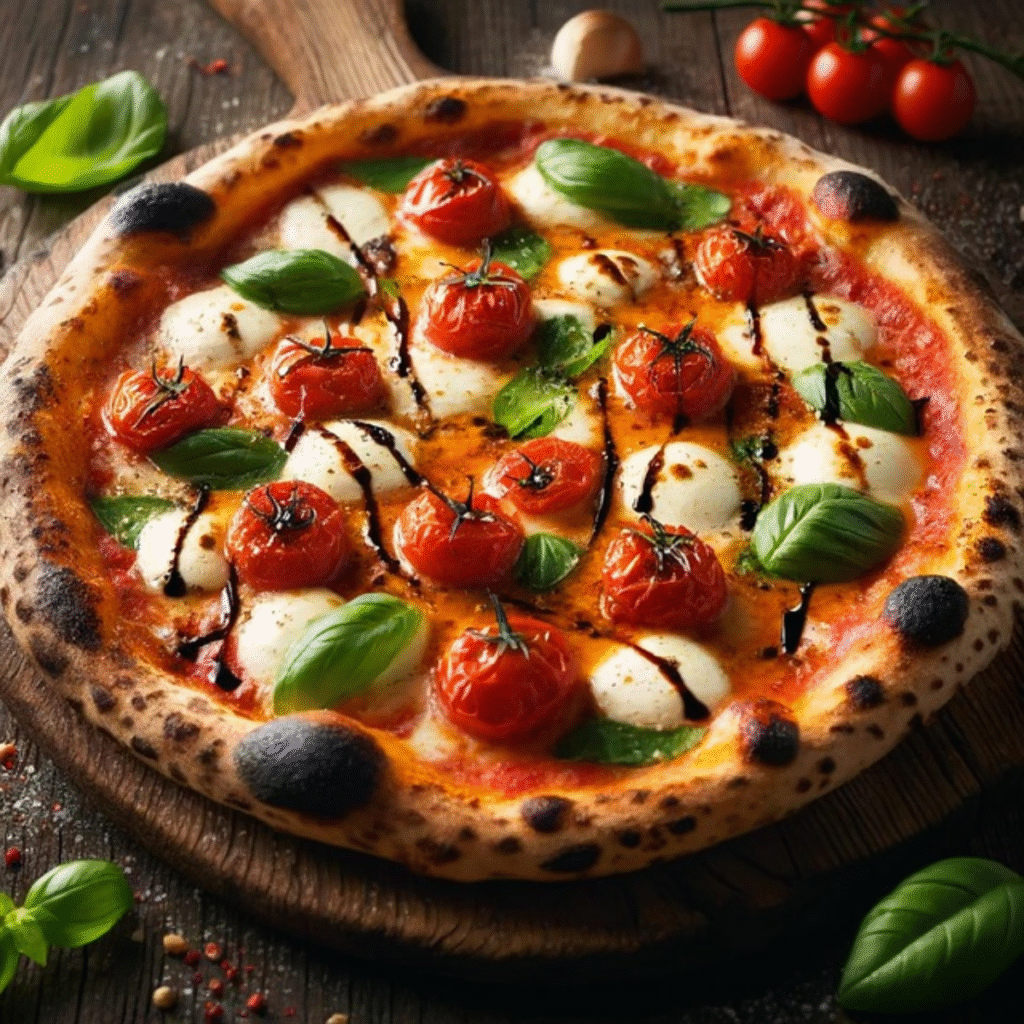
The Secret Behind Authentic Neapolitan Dough
There are only four basic components needed to make the original Neapolitan pizza dough recipe: flour, water, yeast, and salt. No sugar, oil, or other ingredients are needed.
Still, when mixed and fermented, they produce a crust that is light, airy, chewy, and packed with flavour.
Italian pizzaiolos says the dough is “alive” – it requires patience and care. Proper hydration, long fermentation, and careful handling convert a basic flour into an extraordinary crust.
Choosing the Best Flour for Neapolitan Pizza
Flour is the backbone of any Neapolitan Pizza Dough Recipe. The gold standard is Tipo 00 flour, finely milled with the ideal protein level (11–12%) to create a stretchy, elastic dough.
Flour Comparison Table
Flour Type | Protein % | Best For | Notes |
Tipo 00 Flour | 11–12% | Authentic Neapolitan pizza | Silky dough, puffy crust |
Bread Flour | 12–13.5% | Homemade pizza crust | Chewier, needs hydration adjustment |
All-Purpose Flour | 10–11% | Quick everyday pizza | Softer bite, less authentic |
If Tipo 00 flour isn’t available in the USA, a mix of bread flour and all-purpose flour can still give you a good result.

The Role of Hydration in Neapolitan Dough
One of the most overlooked parts of a Neapolitan Pizza Dough Recipe is hydration — the ratio of water to flour. Traditional recipes typically use a 60–65% hydration ratio, meaning 600–650ml of water is used for every kilogram of flour.
Higher hydration creates a lighter, airier crust with larger bubbles, but it also makes the dough more challenging to handle for beginners. Maintain a hydration level of around 60% when you first begin. As your confidence grows, you can increase hydration to achieve an even more authentic, airy texture that mimics the professional pizzerias in Naples.
Ingredients for the Best Neapolitan Pizza Dough Recipe
For the Dough
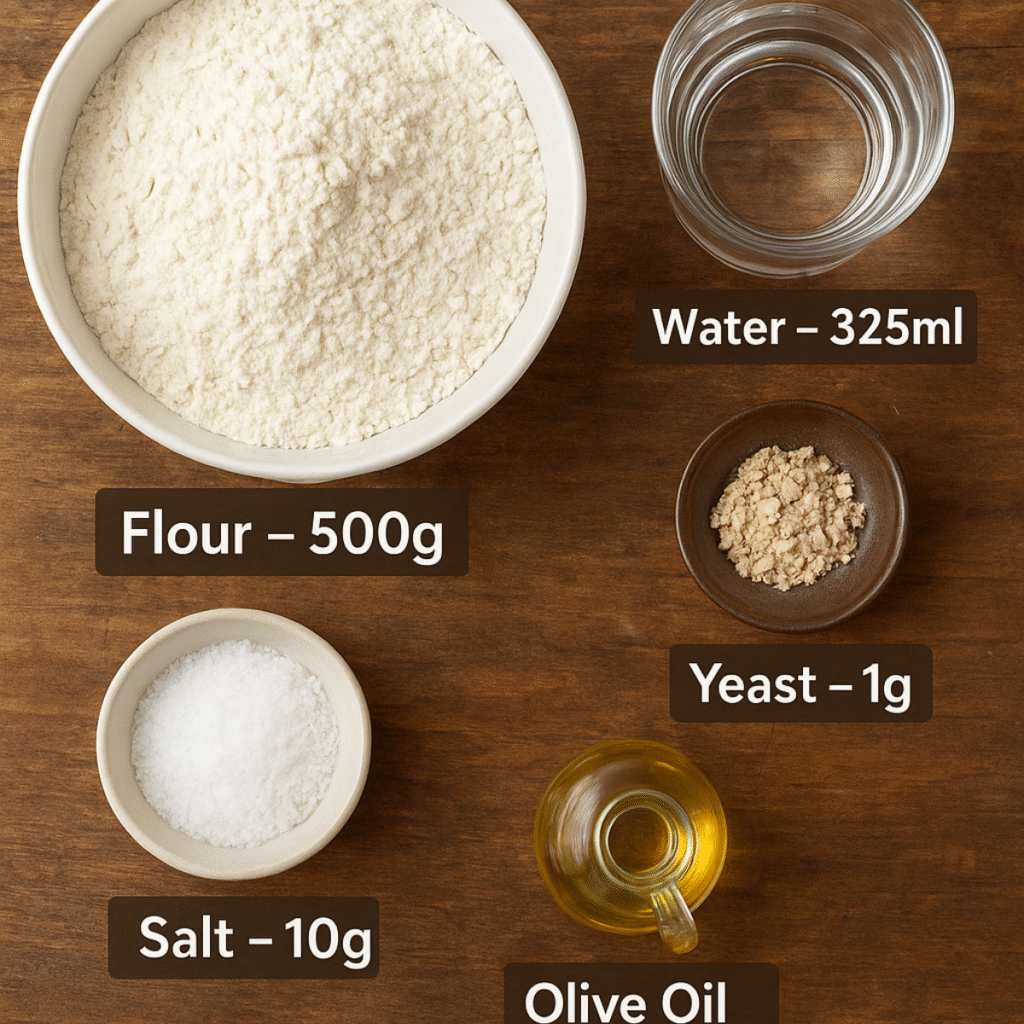
- 500g Tipo 00 flour (or substitute blend)
- 325ml filtered water (room temperature)
- 1g active dry yeast (or fresh yeast)
- 10g acceptable sea salt
For the Sauce
- San Marzano tomatoes
- Extra virgin olive oil
- Fresh basil leaves
- Sea salt
For Baking
- Pizza peel
- Pizza stone or baking steel (preheated)
- Wood-fired oven (or Ooni/Roccbox for home use)
- Kitchen shears for cutting
Step-by-Step Neapolitan Pizza Dough Recipe
- Mixing the Dough
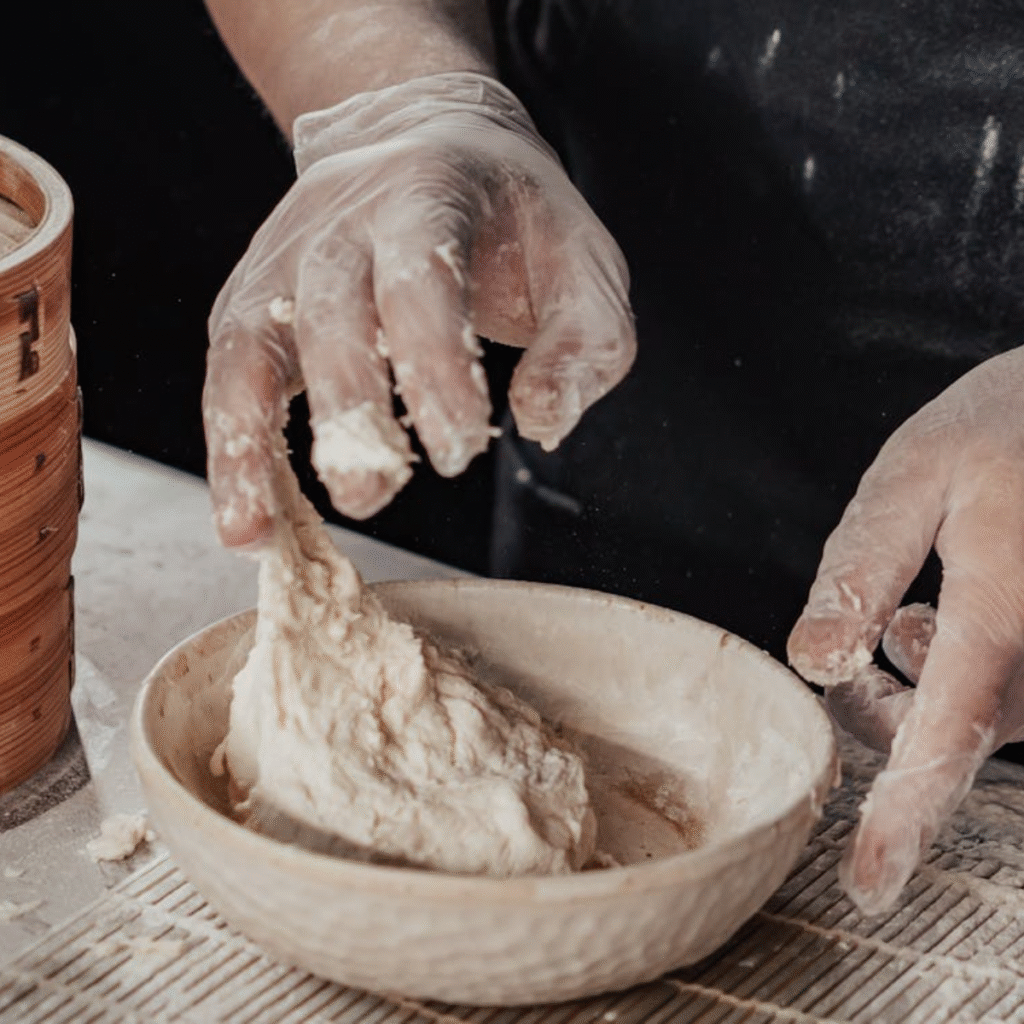
Dissolve yeast in water. Add flour gradually until a shaggy dough forms. Add salt last, then knead until the dough is smooth and elastic.
- First Rise
Two hours should be sufficient time for the dough to relax at room temperature.
- Cold Fermentation
Place the dough in the fridge for 24–72 hours. This step is critical because cold fermentation develops complex flavours and makes the dough more digestible.
- Shaping
Divide the dough into 250g balls. Let rest 1–2 hours at room temperature, then stretch by hand into a 12-inch pizza. ⚠️ Never use a rolling pin, as it removes the air pockets that make the crust airy.
- Baking
In a wood-fired oven: Bake at 800°F for 60–90 seconds.
Set a pizza stone or steel in the oven at home for forty-five minutes. Bake at maximum heat for 6–8 minutes, then finish under the broiler for a char.
Why cold fermentation works best
One of the most essential suggestions in any Neapolitan pizza dough recipe is a cold fermentation. By letting the dough rest slowly in the refrigerator for 1-3 days, you allow the yeast to develop a deep flavour, a light texture, and an aroma reminiscent of Naples.
This is why professionals, such as those in Italian pizzerias, prefer fermentation for long-term flour storage methods.
Mozzarella Matters: How to prepare cheese
Even the best neapolitan pizza dough recipe can fail if your cheese is too watery. Fresh mozzarella, especially Buffalo mozzarella, tends to have too much moisture. To avoid soggy pizza:
Cut and empty mozzarella on paper towels for at least 30 minutes.
For Buffalo Mozzarella, withdrawal overnight in the refrigerator is even better.
Pro tips for success
Less is more: Use just a few high-quality toppings.
Respect the dough: Handle gently to keep it airy.
High heat is key: use your oven as warm as possible, close to the true flame style.
Cutting with scissors: Using scissors in the kitchen helps retain healthier crusts.
Real-Life Experiences with Neapolitan Pizza Dough Recipe
To see the effect of neapolitan pizza dough recipe, consider the story of a home chef in New York, who fought for years to repeat the pizza and enjoy the joy in Naples. After discovering the importance of cold fermentation and Tipo 00 flour, she finally achieved a soft, airy crust, which she had been chasing.
Today, she uses the Neapolitan Pizza dough Recipe every weekend, and the family describes the results as “better than restaurants”. Such stories show that, with patience and the correct method, you can give the authentic taste of Naples in the kitchen.
FAQs
What is the secret to Neapolitan pizza dough?
The mystery lies in using high-quality Tipo 00 flour, slow cold fermentation, and a gentle handshake.
These phases form soft, airy, and slightly chubby crusts known as Neapolitan pizza.
How is Neapolitan pizza dough different?
Unlike other flour, it has no oil or sugar – just flour, water, yeast, and salt.
It is prepared with extremely high heat, resulting in a thin base with puffy, charging edges.
How to make classic Neapolitan pizza dough?
Mix flour, water, salt, and yeast, and ferment for 24-72 hours. After resting, stretch the dough by hand and fry quickly in a very hot oven.
At what temperature should flour of fate be?
The fermentation works best at a room temperature of approximately 70 °F. For baking, the oven should reach 800–900°F for true authenticity.
What is the best flour for Neapolitan pizza?
Tipo 00 flour is considered the best because of its fine texture and ideal protein content.
It produces elastic flour that forms a light, ventilated, and chewy crust.
What are the three types of Neapolitan pizza?
Classics Margherita, Marinara, and Margherita Extra. Each characteristic, fresh and straightforward material, is accompanied by a fully designed dough base.
Conclusion
The mastery of the Neapolitan Pizza Dough recipe is more than just cooking-it’s about creating a hundred-year-old Italian tradition in the kitchen. With only four basic ingredients and a bit of patience, you can achieve light, airy, and chewy crusts that make Destiny pizza so special. Whether you fry in a wood-fired oven, on pizza stones, or even in a conventional house oven, the right technique will always yield authentic results.
Remember that a secret tip lies in long, cold fermentation and at the back of the highest heat. Once you have corrected the dough, the topping is just a bonus. So roll sleeve, step by step, and enjoy the satisfaction of serving authentic slices of Naples at home.